About WHS Plastics
Engineering a sustainable future, the integrated strategy
At WHS Plastics, sustainability is ingrained in our business strategy and embedded in everything we do - from product eco-design and responsible material sourcing to lean manufacturing and optimised logistics.
Collaboration and partnerships
While we are a long-standing partner to premier global automotive OEMs, our advanced capabilities allow us to deliver these same rigorous, sustainable manufacturing solutions to a diverse range of sectors outside of automotive, supporting all our customers’ drives toward carbon neutrality.
The road to carbon neutrality
WHS Plastics is fully committed to achieving Net Zero emissions through a comprehensive roadmap aligned with the sustainability ambitions of our partners.
2027: Achieve 50% Net Zero to Energy
2033: Achieve 100% Net Zero to Energy
2039: Achieve Complete Net Zero Emissions across all operations
Our pillars of sustainability
- Responsible Manufacturing: Minimizing resource consumption across our manufacturing sites while maintaining strict safety standards
- Recycled Materials: Using a circular approach to conserve natural resources and actively substituting virgin polymers with high-quality recycled feedstocks
- Net-Zero Focus: Promoting energy efficiency and transitioning to renewable sources to strictly limit carbon emissions
- Eco-Design: Designing high-performance components that maximize functionality while minimizing environmental impact
Responsible Sourcing: Mandating ethical, transparent and sustainable practices across our entire supply chain - Green Innovation: Continuously developing technologies and conducting advanced material trials to enhance ecological performance
- Lean Operation: Optimizing processes through automation to systematically eliminate operational waste
Environmental Standards: Anticipating upcoming international benchmarks to maintain long-term readiness for future requirements
Aligning with ESG frameworks
Beyond day-to-day operations, our corporate framework aligns with broader Environmental, Social and Governance (ESG) principles. We view strong governance and social responsibility as vital counterweights to environmental stewardship, ensuring ethical corporate behaviour, robust compliance and the health and well-being of our workforce and communities.
Circularity and waste reduction
Transitioning away from a traditional “take-make-dispose” economy is essential to reducing global reliance on virgin, fossil-based feedstocks. To lead this shift, WHS Plastics strives toward a comprehensive zero-waste objective, targeting the elimination of landfill disposal.
Designing for circularity
We prioritise end-of-life recovery by developing mono-material and disassembly-friendly components to support efficient recycling. Our current target is to achieve 20% to 30% recycled content across targeted components, ensuring materials remain 100% recyclable at the end of the product’s life cycle.
Material and process development
As a primary supplier, our core role centres on advanced material and process development. Through rigorous collaboration and material trials, we validate next-generation polymers to ensure they satisfy demanding performance, quality and aesthetic criteria.
Immediate action areas
To meet these milestones, we focus on highly controllable internal actions to build foundational capabilities across our entire value chain:
- Continuous reduction of direct operational emissions
- Investment in renewable energy and green power
- Electrification of our logistics and supply chain transport networks
- Infrastructure upgrades using energy-efficient equipment and automation
Collaboration and partnerships
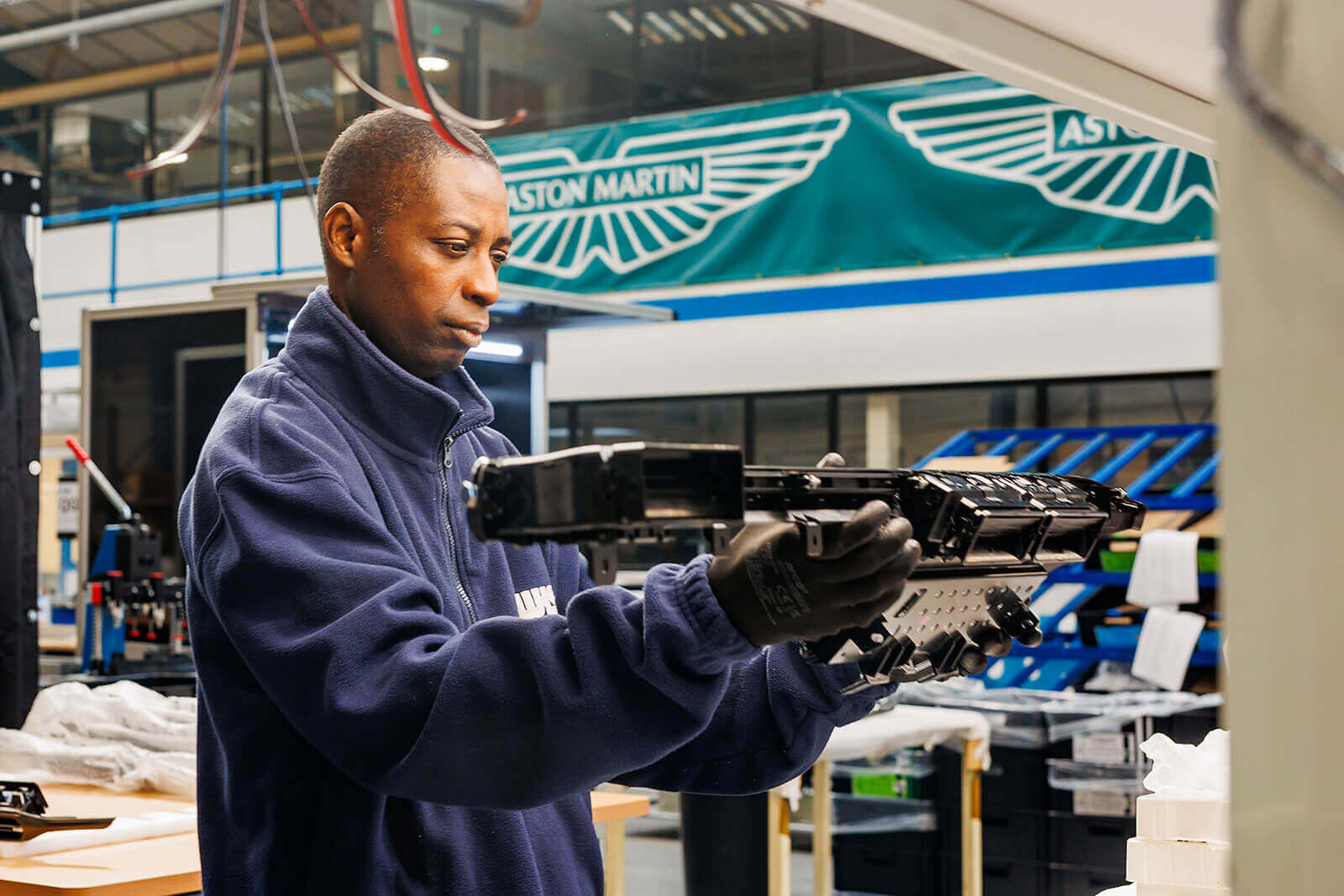
No single company can solve the climate challenge alone; teamwork across the value chain accelerates innovation. We work closely with leading industry partners, material scientists and suppliers to fast-track technology development through four core actions:
- Co-developing: participating in joint material development and defining strict recycled content standards
- Sharing: exchanging innovative, climate-positive ideas to continually push industry boundaries
- Engaging: working directly with dedicated Sustainable Innovation Teams to bridge the gap between design concepts and sustainable realities
- Accessing: acquiring the technical support and operational backing required to bring high-impact, eco-friendly projects to life